Impressionist Art Puzzles
Impressionism captured what the eye actually sees before the brain interprets: light as broken color, shadow as a complement rather than a darkening, water as sky reflected. Those thousands of distinct dabs and strokes become, in a puzzle, thousands of individually interesting pieces. Assembly reveals the painting the same way stepping back from the canvas did for the painter, and the lush luminous result is equally at home on a puzzle table and a living room wall.
Make yours in Impressionist
Impressionist
Impressionist Dogs
30, 110, 252, 500, 1,000, or 2,000 piecesfrom $69.99
Impressionist
Impressionist Dogs II
30, 110, 252, 500, 1,000, or 2,000 piecesfrom $69.99
Impressionist
Impressionist Dogs III
30, 110, 252, 500, 1,000, or 2,000 piecesfrom $69.99
Impressionist
Impressionist Dogs IV
30, 110, 252, 500, 1,000, or 2,000 piecesfrom $69.99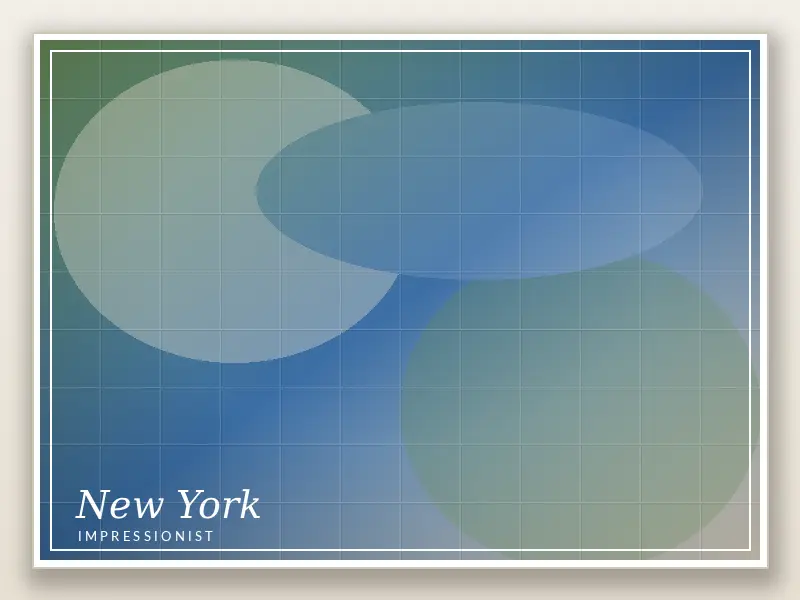
Impressionist
Impressionist New York
30, 110, 252, 500, 1,000, or 2,000 piecesfrom $69.99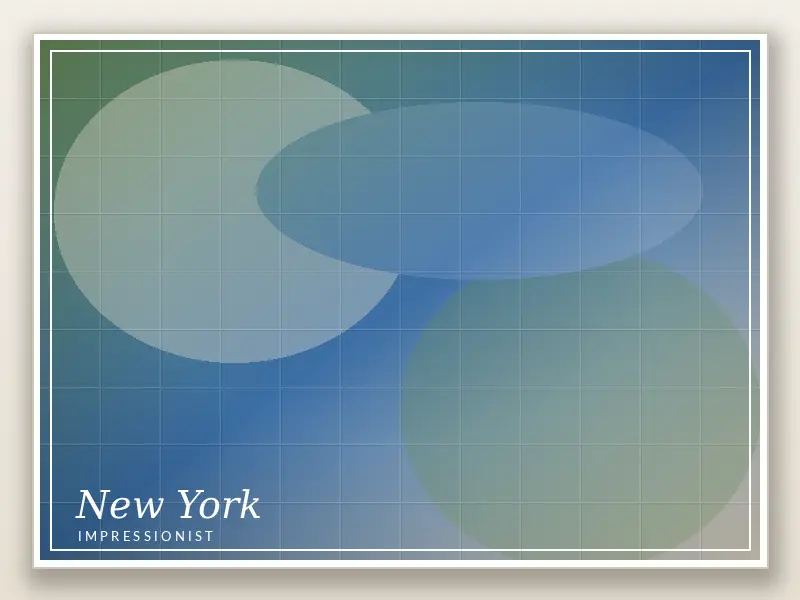
Impressionist
Impressionist New York II
30, 110, 252, 500, 1,000, or 2,000 piecesfrom $69.99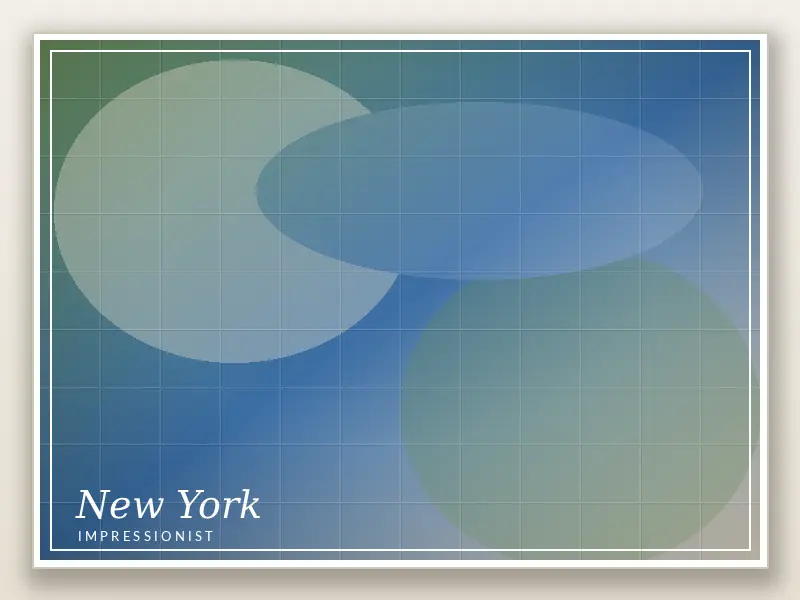
Impressionist
Impressionist New York III
30, 110, 252, 500, 1,000, or 2,000 piecesfrom $69.99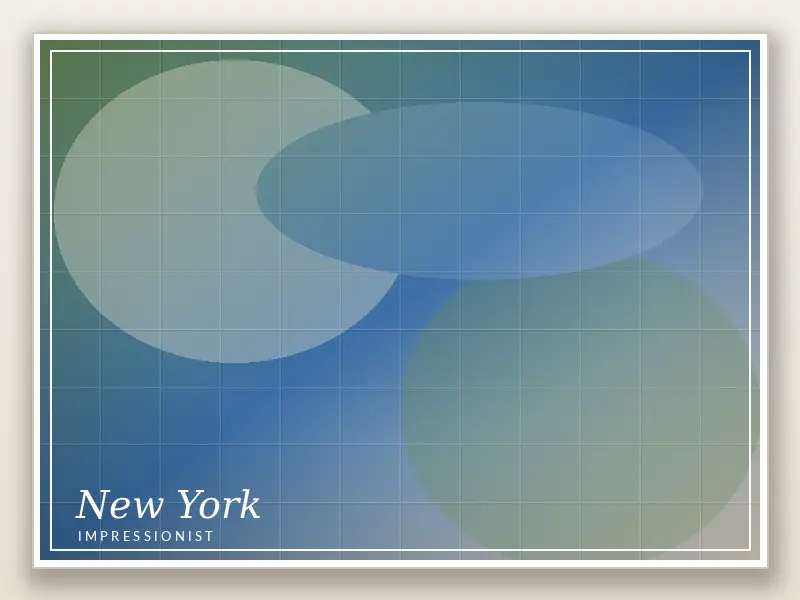
Impressionist
Impressionist New York IV
30, 110, 252, 500, 1,000, or 2,000 piecesfrom $69.99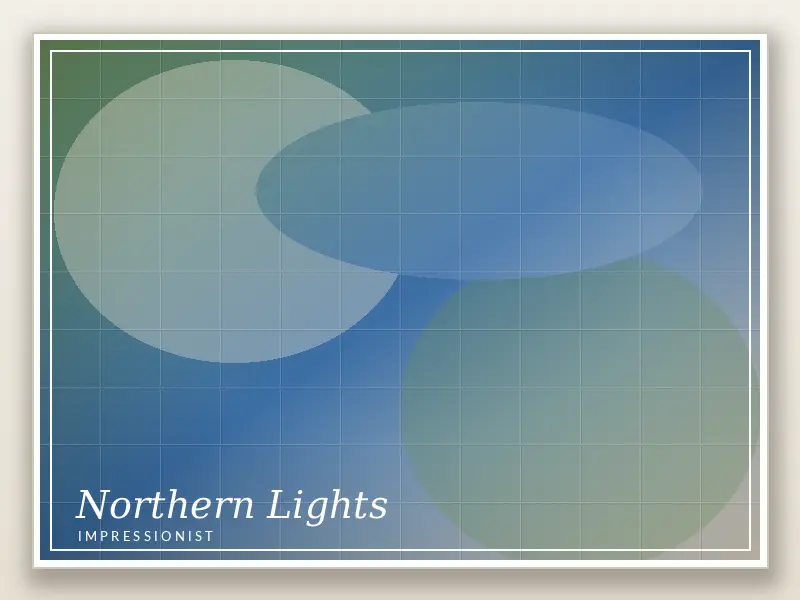
Impressionist
Impressionist Northern Lights
30, 110, 252, 500, 1,000, or 2,000 piecesfrom $69.99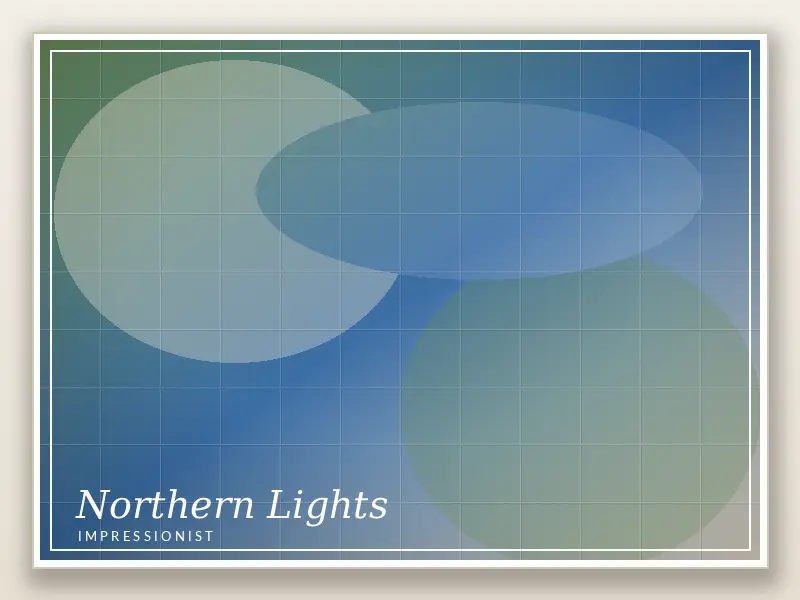
Impressionist
Impressionist Northern Lights II
30, 110, 252, 500, 1,000, or 2,000 piecesfrom $69.99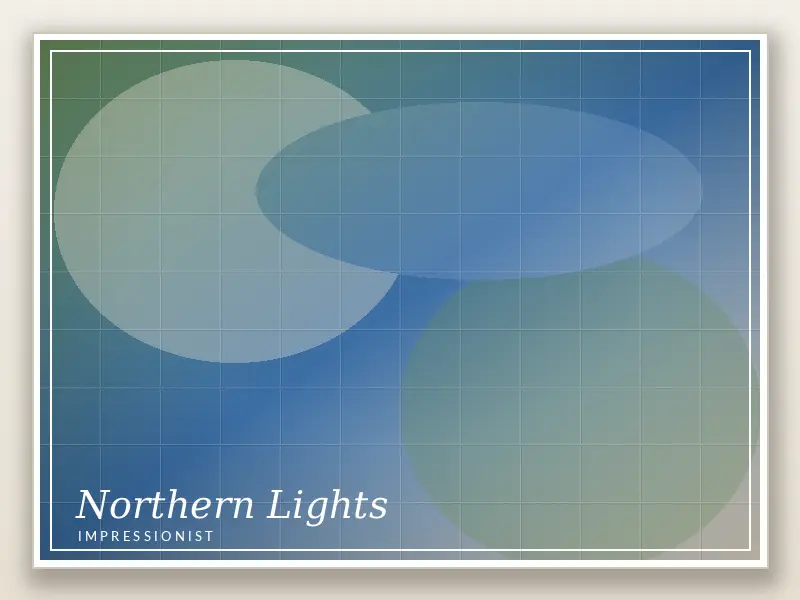
Impressionist
Impressionist Northern Lights III
30, 110, 252, 500, 1,000, or 2,000 piecesfrom $69.99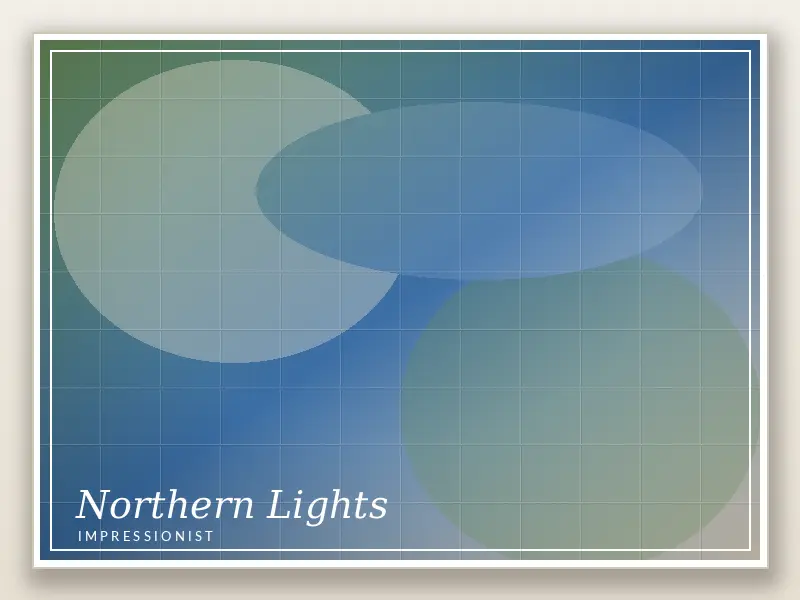
Impressionist
Impressionist Northern Lights IV
30, 110, 252, 500, 1,000, or 2,000 piecesfrom $69.99
Impressionist
Impressionist Sunflowers
30, 110, 252, 500, 1,000, or 2,000 piecesfrom $69.99
Impressionist
Impressionist Sunflowers II
30, 110, 252, 500, 1,000, or 2,000 piecesfrom $69.99
Impressionist
Impressionist Sunflowers III
30, 110, 252, 500, 1,000, or 2,000 piecesfrom $69.99
Impressionist
Impressionist Sunflowers IV
30, 110, 252, 500, 1,000, or 2,000 piecesfrom $69.99
Impressionist
Impressionist Sunflowers V
30, 110, 252, 500, 1,000, or 2,000 piecesfrom $69.99
Impressionist
Impressionist Sunflowers VI
30, 110, 252, 500, 1,000, or 2,000 piecesfrom $69.99
Impressionist
Impressionist Sunflowers VII
30, 110, 252, 500, 1,000, or 2,000 piecesfrom $69.99
Impressionist
Impressionist Sunflowers VIII
30, 110, 252, 500, 1,000, or 2,000 piecesfrom $69.99
Broken brushwork and the puzzle process
Impressionist compositions are simultaneously challenging and rewarding as puzzles. The visible brushstrokes mean each piece carries unique texture and color variation rather than flat uniform fill. This makes sorting more tactile and assembly more satisfying: you are not just placing shapes but reading the direction and rhythm of the artist's hand. Garden compositions (water lilies, poppy fields, tree-lined paths) give color zones to organize around while the atmospheric sky areas provide a satisfying meditative challenge.
Impressionist puzzle art and the designed home
The warm, light-filled palette of Impressionist work flatters almost any room style. In a living room it brings sunlight and season to the wall without the stiffness of formal portraiture. In a bedroom the soft garden scenes and misty landscapes create an atmosphere of quiet and ease. Completed 1000-piece Impressionist puzzles in simple gilt or warm-wood frames look like quality art prints at a fraction of the cost, and carry the added dimension of being something you made yourself.
Frequently asked questions
Are Impressionist puzzles difficult for beginners?
Moderately challenging. The lack of hard outlines means you rely on color and value rather than shape alone. A good strategy is to sort pieces by dominant color temperature (warm golds, cool blues, neutral greens) before placing. Most people find the process deeply enjoyable once they settle into the approach.
Which Impressionist subjects are in the catalog?
Water garden scenes, poppy fields, coastal cliffs, cafe terraces, and ballet subjects inspired by the period's iconic compositions. Custom uploads of your own Impressionist-style photography or artwork are also welcome.
How do I preserve the finished puzzle for display?
Puzzle mounting glue applied to the back of the assembled piece, allowed to dry, then sandwiched between two pieces of mat board before framing is the most reliable method. We also offer pre-glued puzzle-frame kits for both our piece counts.